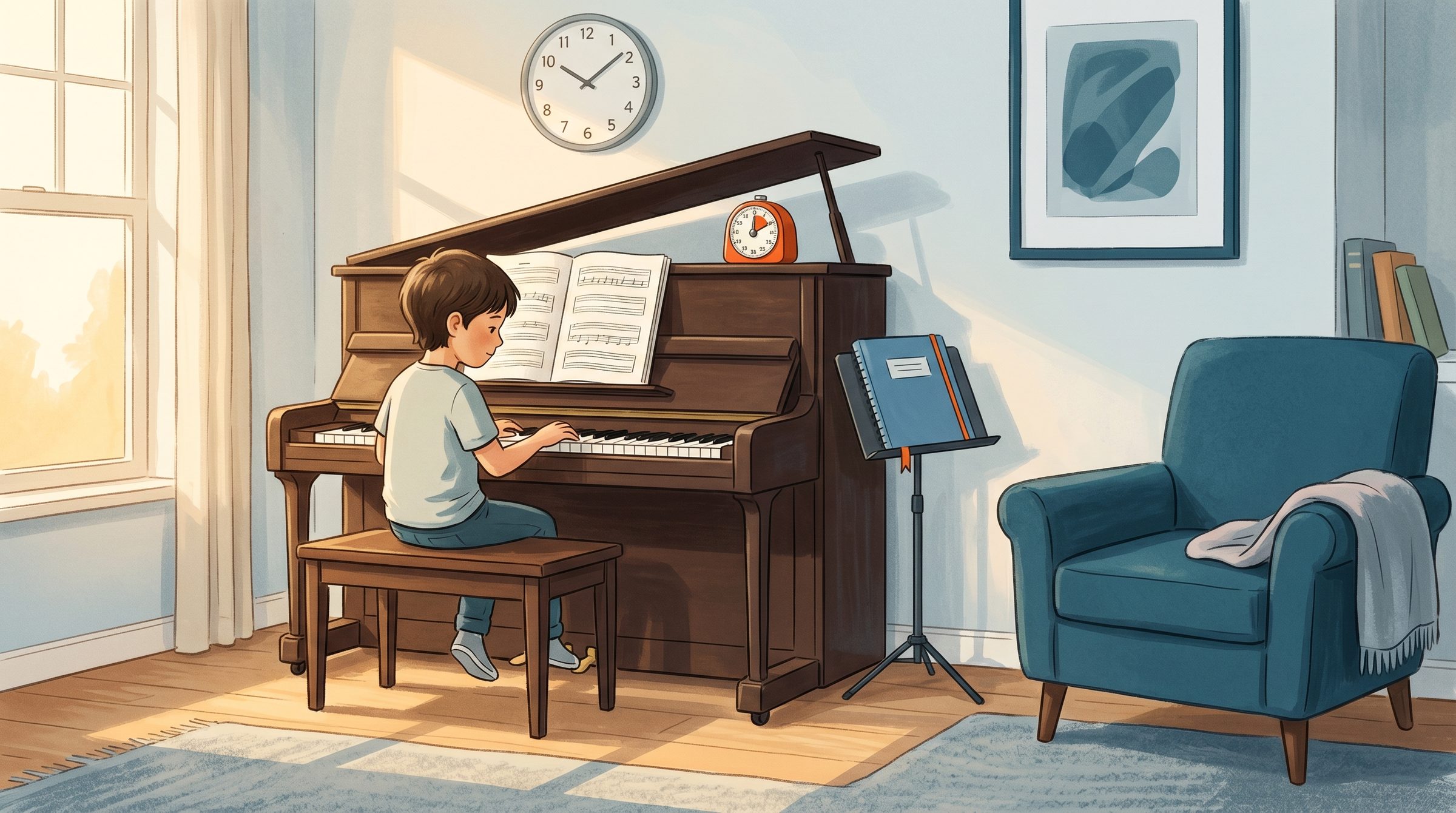
How long should my child practice music — by age band 5 to 18, with research on attention, daily versus weekend practice, and the quality cliff.
How to break a music practice plateau — the deliberate-practice research on arrested development, interleaved practice, and why feeling stuck means strategy, not time.
How to memorize music using the four kinds of memory, chunking, retrieval practice, and spaced repetition — the methods classical musicians actually use.
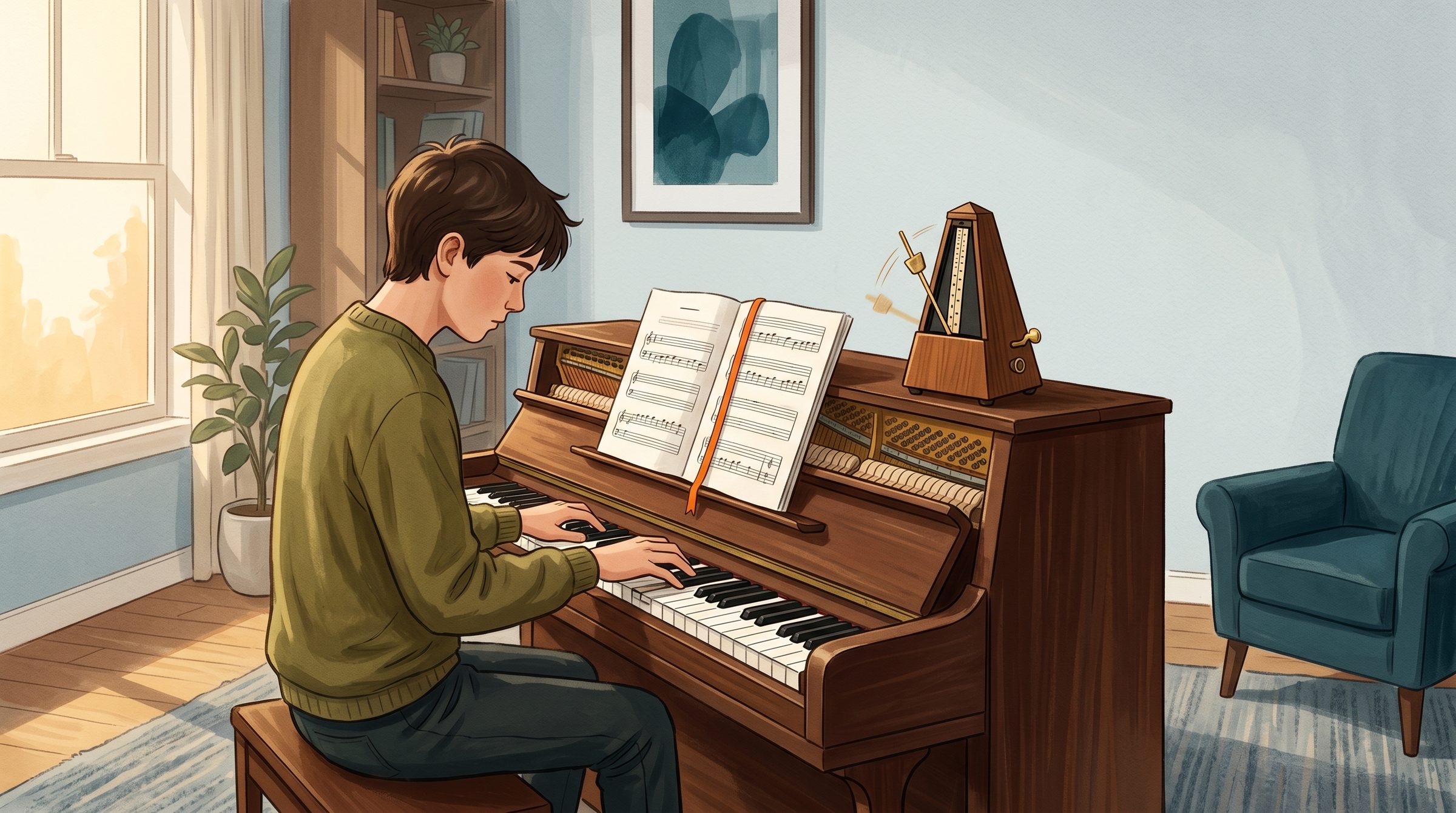
How to practice slowly and why it actually makes you faster — the deliberate-practice research on slow practice, motor encoding, and tempo build-up.
How to praise your child's music practice without backfiring — process versus outcome praise, specificity, and what to say when you can't hear if it was good.
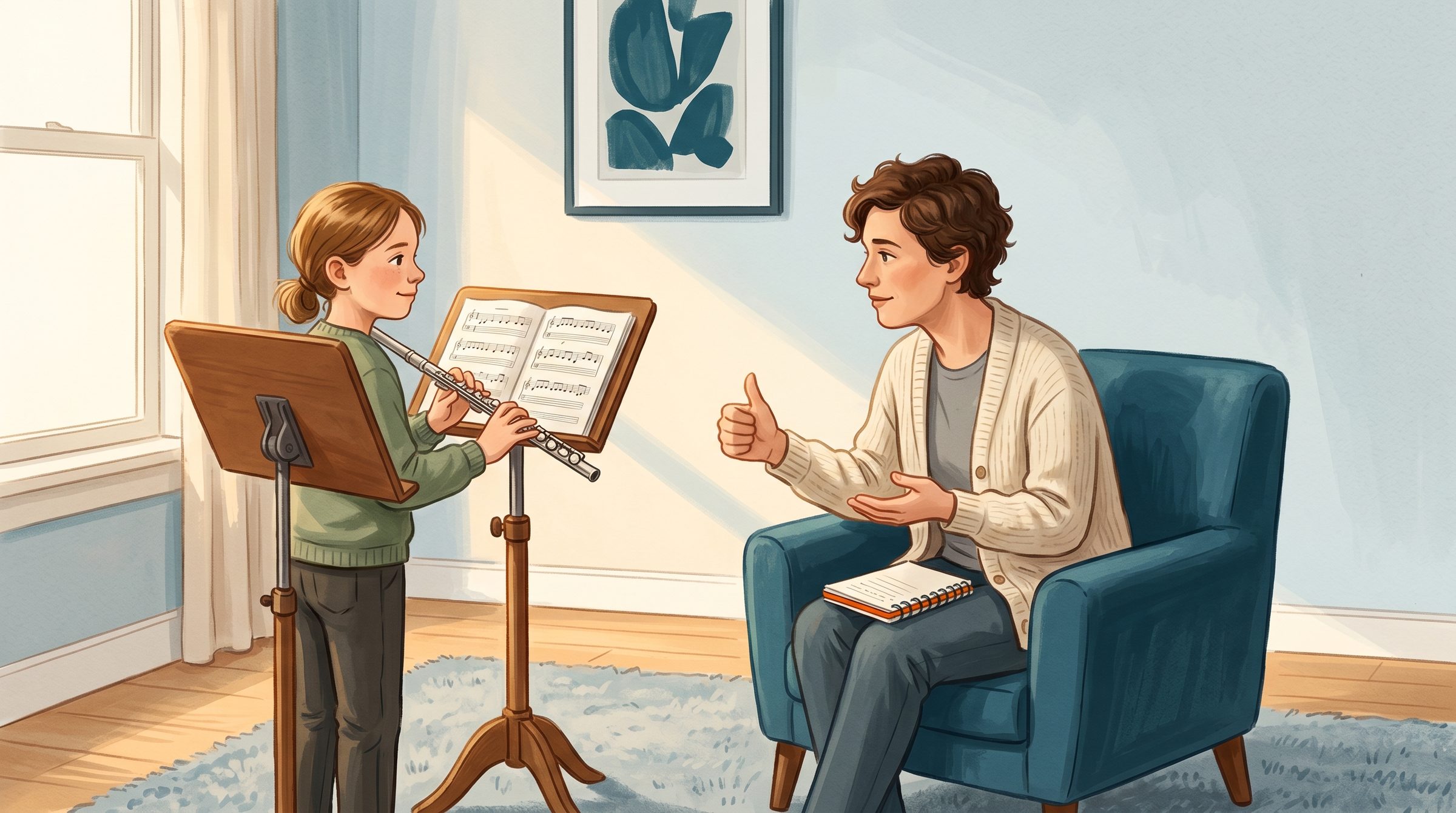
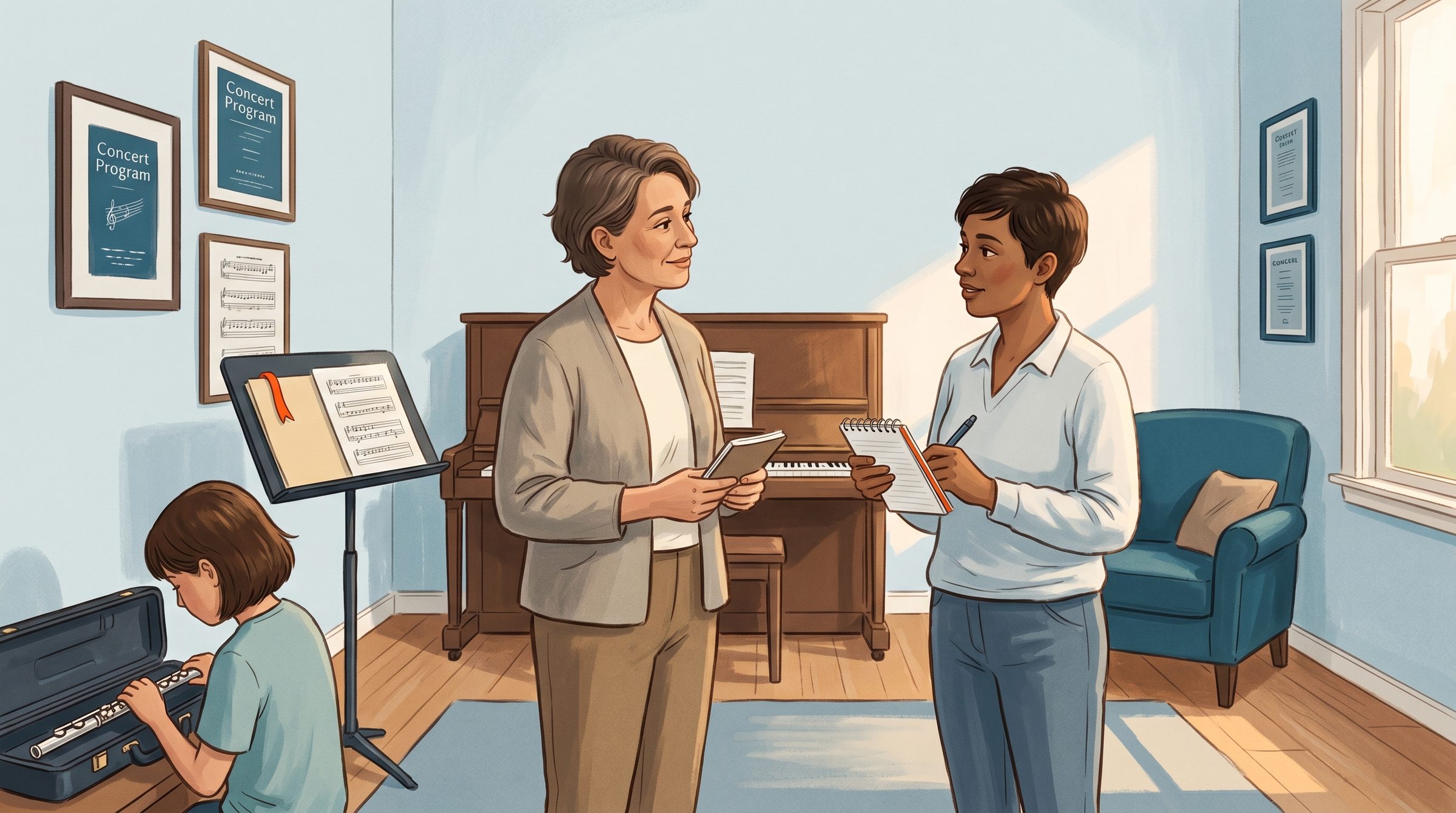
How to talk to your child's music teacher when you don't read music — useful questions, productive lesson notes, and how to share concerns.
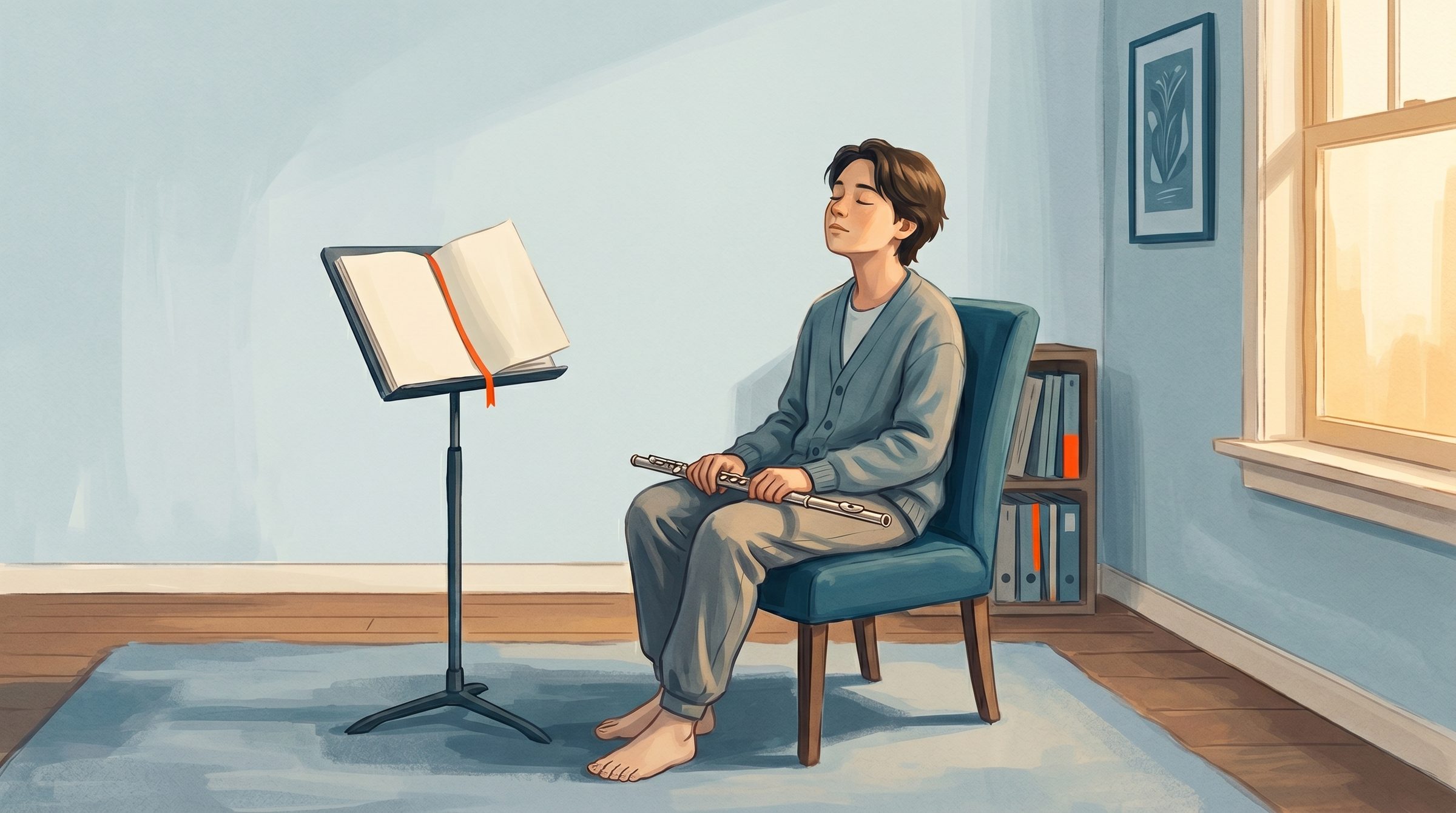
Mental practice for music — research on cognitive rehearsal, motor imagery, and how to improve as a musician without touching your instrument.
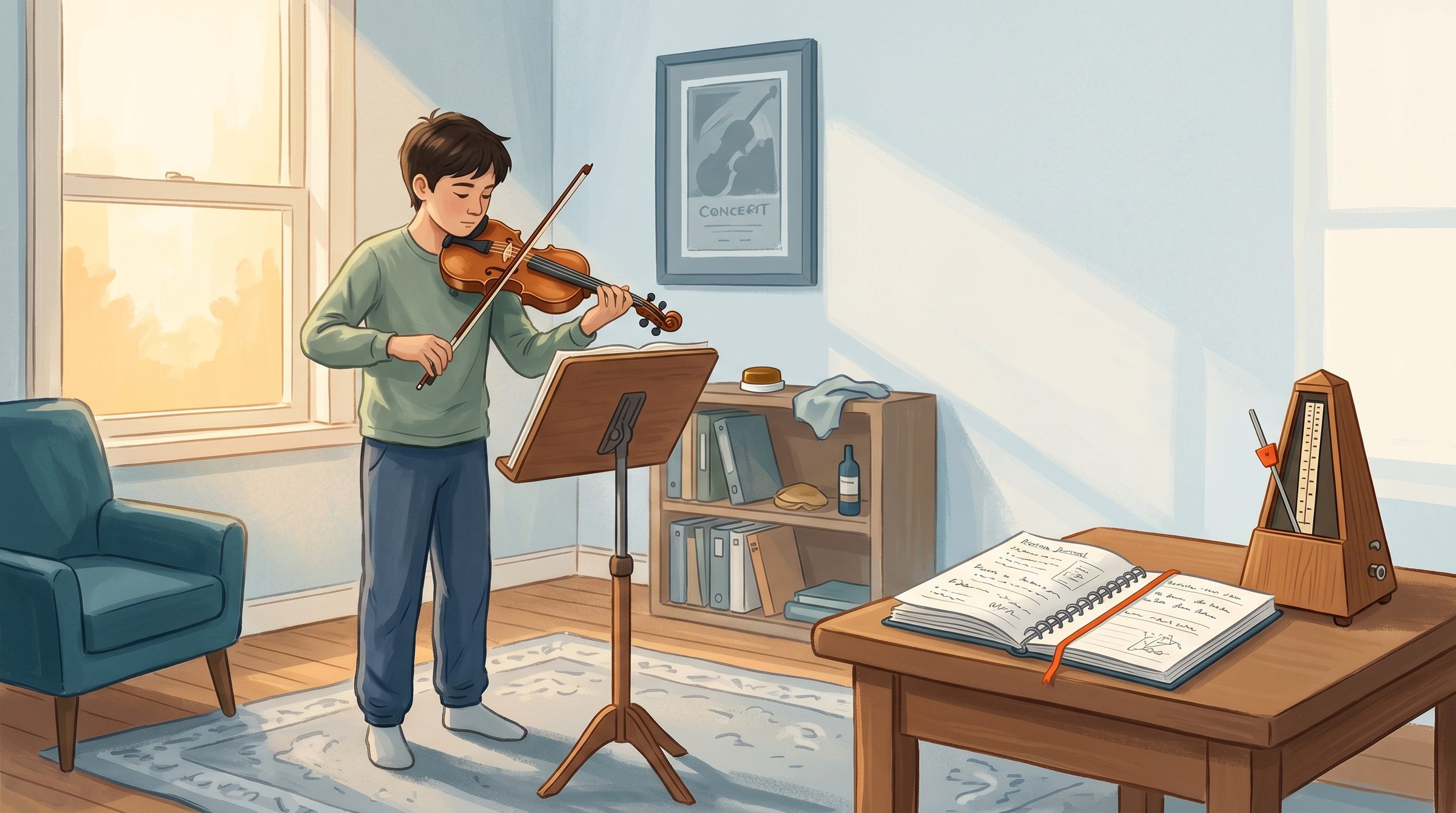
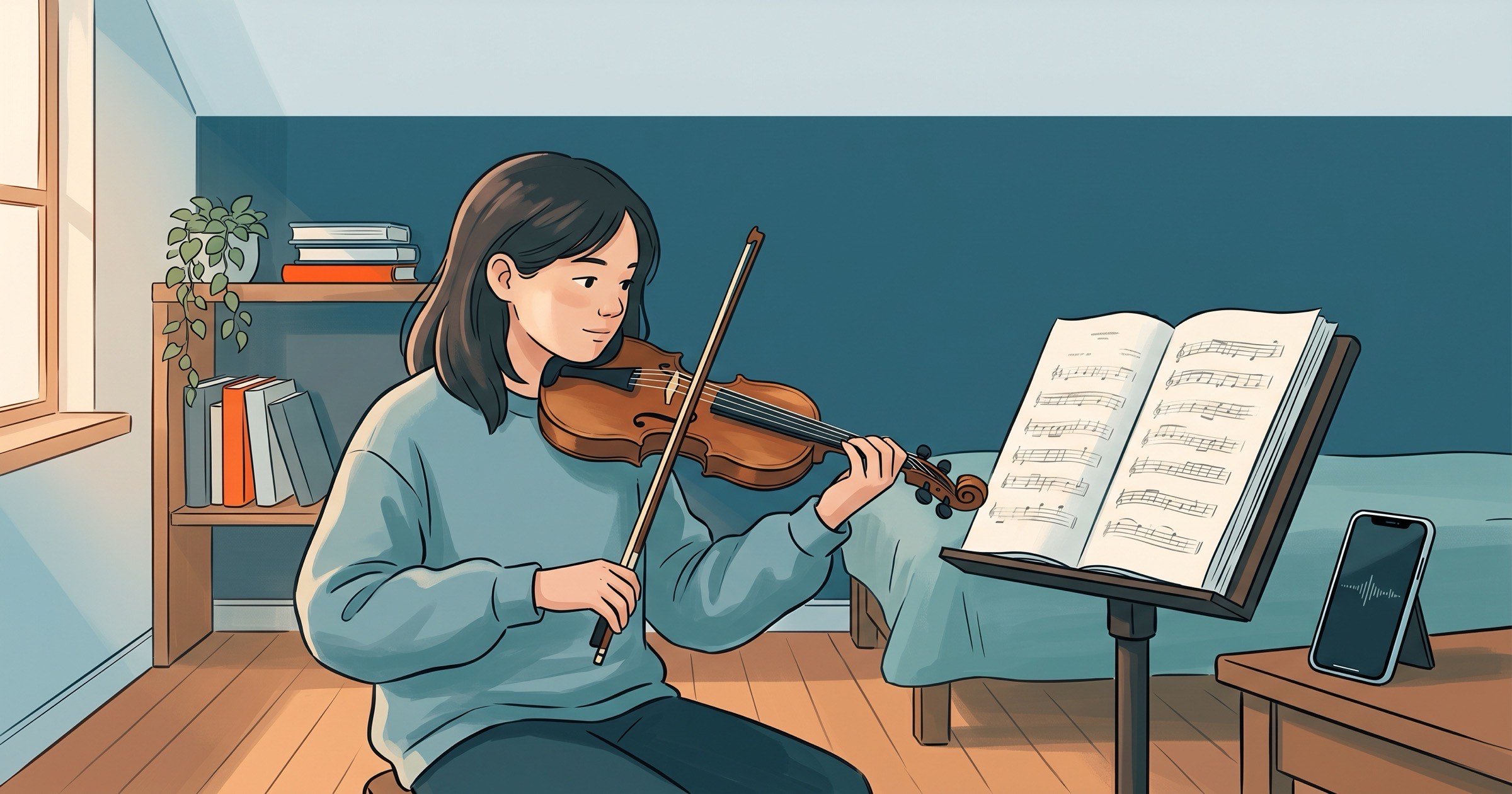
Music practice tips for students that actually work — based on deliberate-practice research, not generic advice. Plan, focus, slow down, repeat.
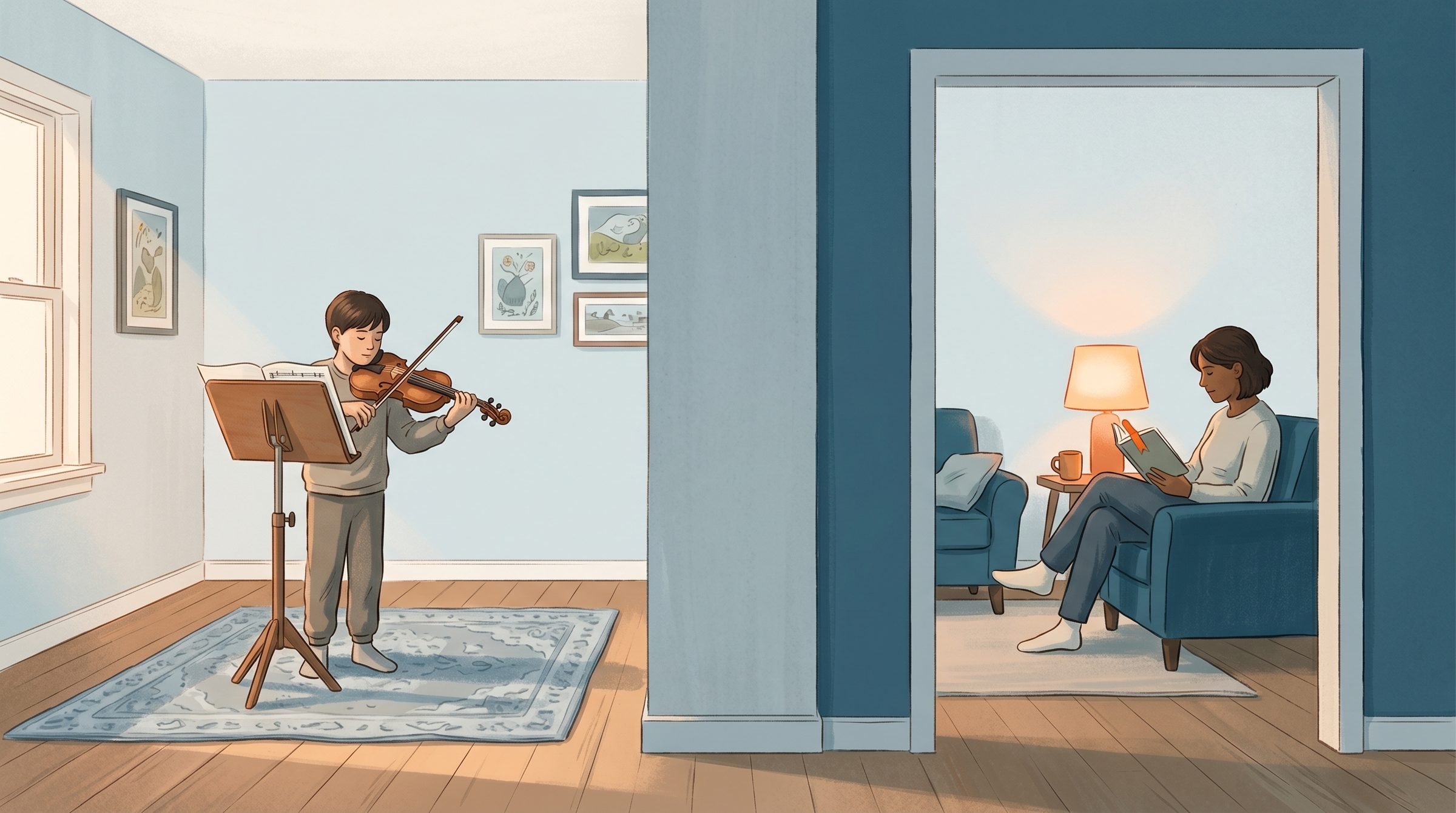
Should you sit with your child during music practice? When presence helps, when it hurts, and how the answer changes with your child's age.
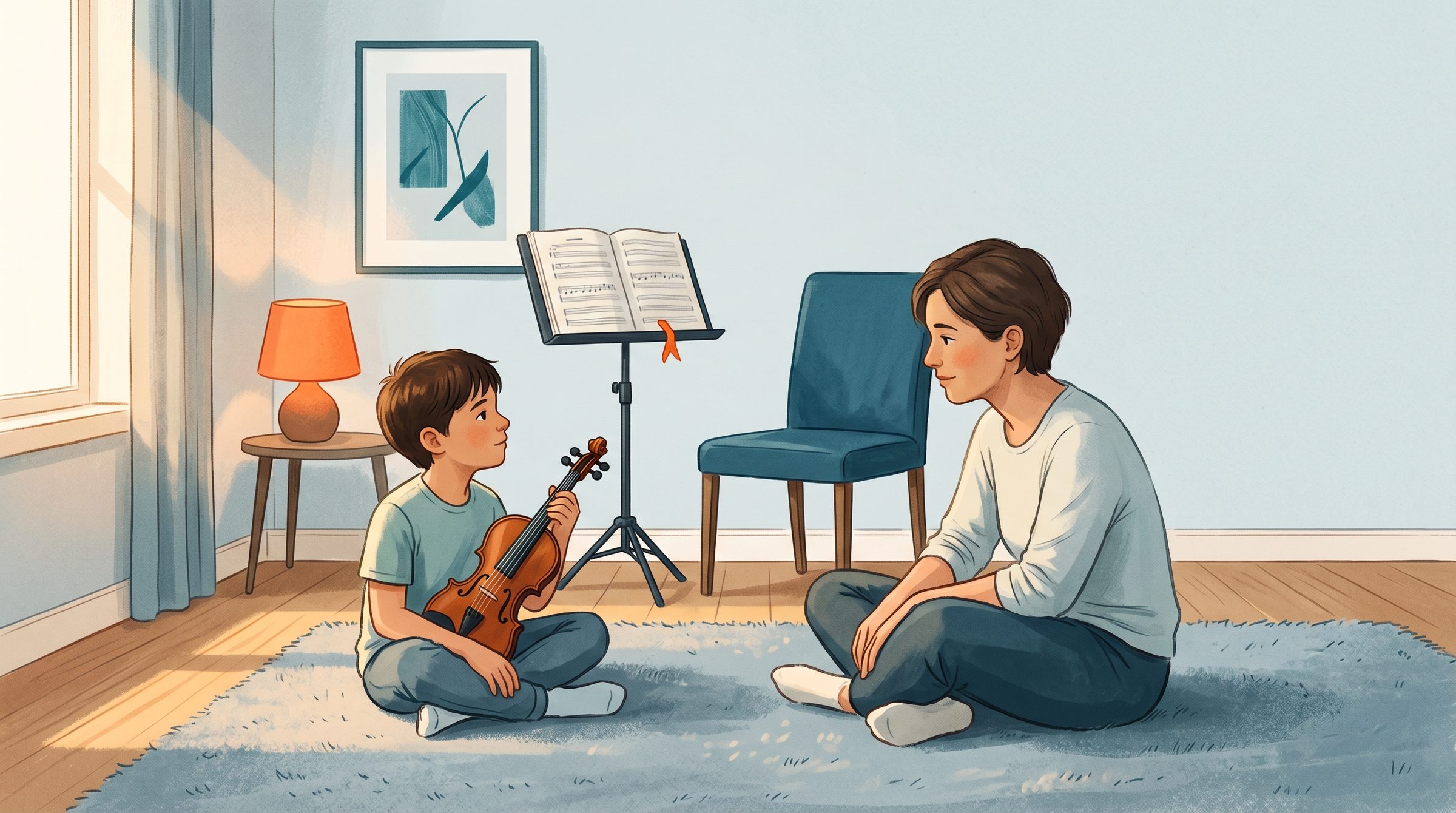
Why your child hates practicing music — the real causes, from parental pressure to frustration to environment, and what actually fixes the daily fight.
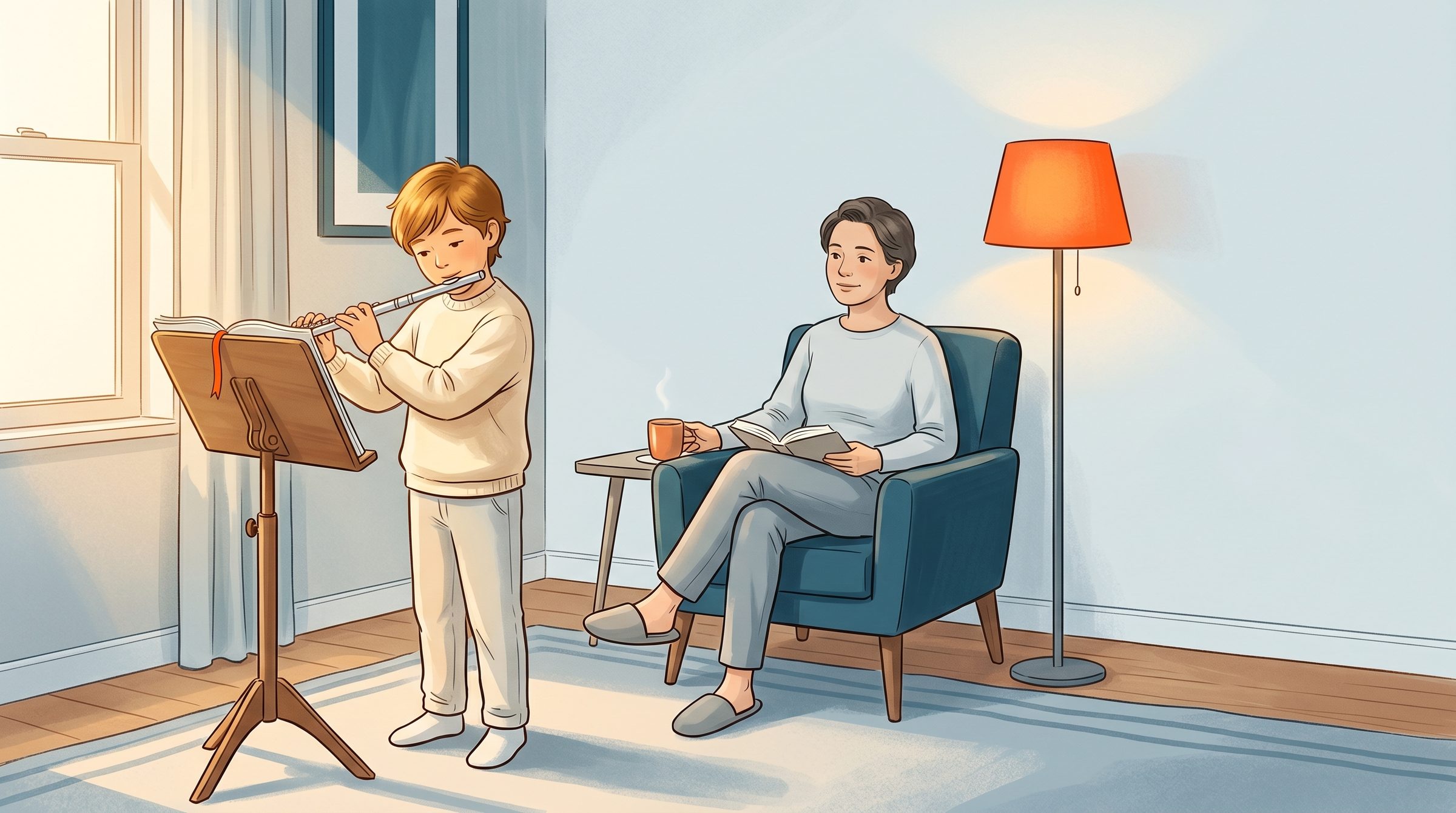
How to help your child practice music when you don't read a note yourself — routine, mindset, and what to do when frustration hits.
Most students practice without a plan. Here's how to shape a home session that actually moves you forward — grounded in deliberate-practice research.